For centuries, the Atlantic underpinned Portugal’s global trading empire. Today, it is driving a new phase of economic growth centred on ocean-based industries.
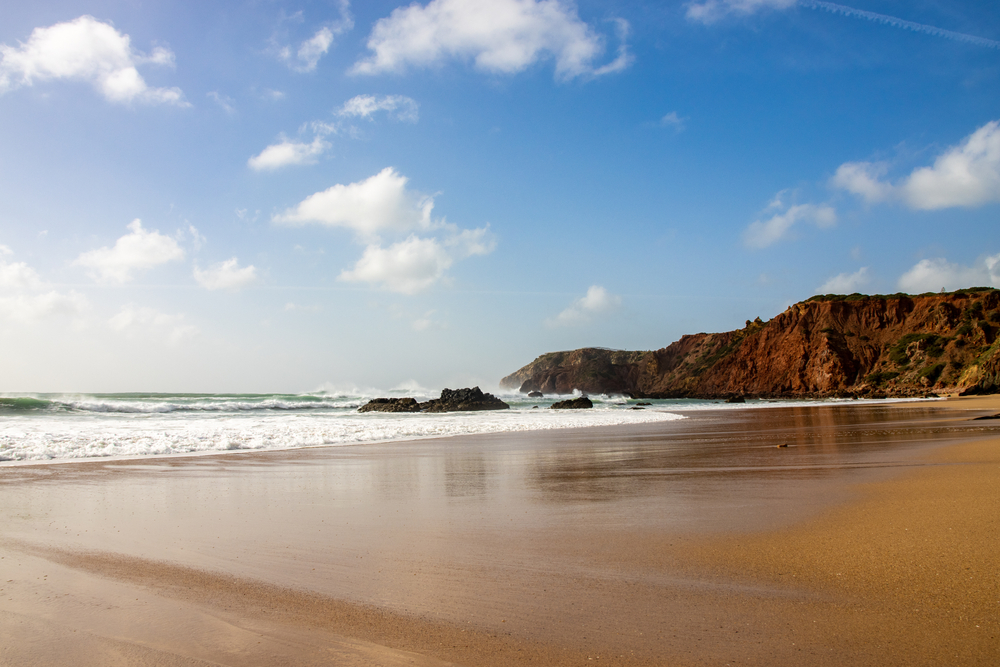
With a coastline stretching nearly 1,800 kilometres and vast maritime zones extending to the Azores and Madeira, Portugal controls the third-largest maritime area in the European Union. Its Exclusive Economic Zone spans 1,727,408 square kilometres, granting rights over significant marine resources.
This scale is shaping a modern ‘blue economy’ focused on aquaculture, seaweed cultivation, marine biotechnology and ecosystem restoration. According to Ken Research Valuation, Portugal’s Ocean Economy and Blue Tech Market was valued at USD 7.5 billion in October 2025, underlining the sector’s investment potential amid growing clean energy demand and public funding.
“The ocean is part of our past and future,” said Portugal’s then Minister of Economy and Maritime Affairs António Costa Silva at the March 2023 launch of Growth Blue I, backed by €28 million from Portugal and the European Investment Fund.
A second initiative, Portugal Blue, aims to mobilise €75 million in combined capital to support more than 30 start-ups, SMEs and mid-sized companies. Key sectors include sustainable seafood, marine biotechnology, offshore energy and ocean restoration.
Building a sustainable ocean food system
Portugal is one of Europe’s highest seafood consumers per capita, yet remains reliant on imports. To address this, investment is being directed towards offshore aquaculture and seaweed farming along the mainland coast and around the islands.
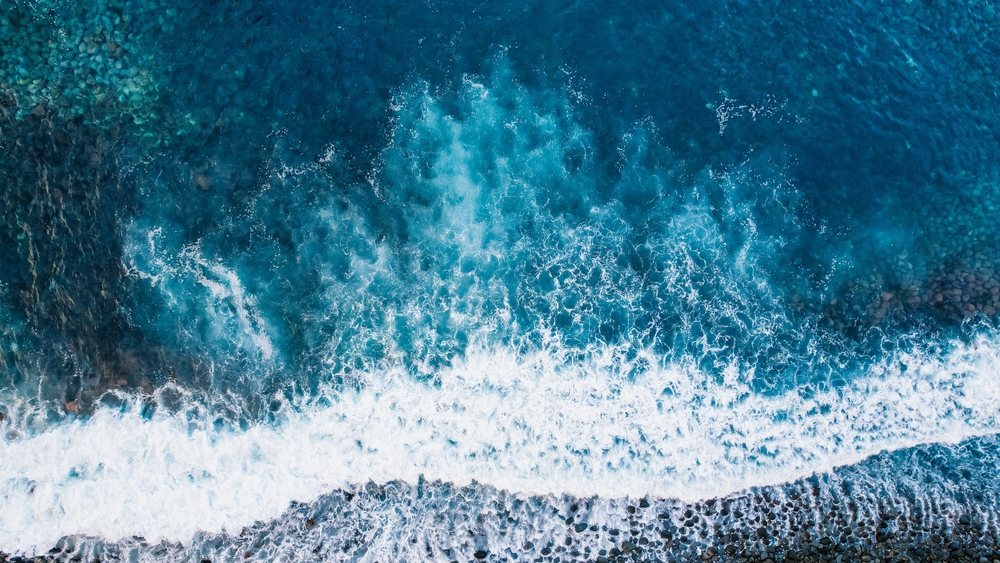
The Azores and Madeira offer favourable conditions, including deep, nutrient-rich waters and ample marine space.
“Portugal’s positioning today is inseparable from the affirmation of the blue economy,” said Paulo Águas, Rector of the University of the Algarve. “It embodies the sustainable enhancement of the ocean as a driver of economic growth and innovation.”
Seaweed, particularly kelp, is emerging as a key growth area, supplying industries ranging from food and animal feed to pharmaceuticals, cosmetics and biodegradable packaging.
Restoring marine ecosystems
Beyond food production, seaweed ecosystems are increasingly valued for their environmental role. Kelp forests absorb carbon dioxide, support biodiversity and strengthen coastal resilience.
Portugal is becoming a testing ground for large-scale restoration. One example is SeaForester, based in Cascais, which develops techniques to grow kelp on seeded stones before deploying them at sea to regenerate underwater forests.
The company recently secured €1.6 million in funding from organisations including WWF and Schmidt Marine Technology Partners and is planning further expansion. Its approach is based on evidence that restored kelp ecosystems can act as ‘carbon banks’, with the potential to generate carbon or biodiversity credits if verification systems mature.
Islands as innovation hubs
Portugal’s Atlantic islands are central to its strategy. The Azores, located around 1,500 kilometres from the mainland, provide deep-water environments suited to testing offshore aquaculture, ocean robotics and restoration techniques.
Azores President José Manuel Bolieiro says the islands give Portugal “an Atlantic projection that can make the country relevant again through the economy of the sea.”
Modernising fisheries
Fishing remains a core industry but is evolving through innovation and sustainability initiatives. These include digital monitoring using AI and data analytics, vessel decarbonisation, circular economy practices and stronger community involvement in marine conservation.
Projects such as Coralis, an offshore fish farm 15 kilometres off the Algarve using semi-submersible platforms, and Aquadiversify, which promotes multi-species aquaculture systems, highlight this transition.
A growing investment opportunity
For investors, the sector offers both scale and long-term potential. Demand for sustainable protein is rising, while climate goals are accelerating interest in nature-based solutions and carbon capture.
Portugal’s combination of extensive ocean territory and a stable European regulatory framework positions it as a key player in this space. The country is seeking to build a collaborative ecosystem linking start-ups, researchers and investors to accelerate innovation.
As Virginijus Sinkevičius, European Commissioner for the Environment, Oceans and Fisheries (2019–24), noted: “Portugal has a very strong blue economy sector that keeps growing fast.”
About Portugal Investment Owners Club
The Portugal Investment Owners Club, or PIO Club for short, is a unique investor membership community designed for discerning individuals, families, and organisations committed to exploring and capitalising on life in Portugal and enjoying money-can't-buy experiences and exclusive events.
About Portugal Pathways
Portugal Pathways has supported hundreds of Golden Visa residency-by-investment applications and provides expert guidance through its professional supply chain network on estate planning, wealth management, Golden Visa and tax optimisation, including post-NHR / IFICI tax regime planning, as well as private healthcare, money transfers and bespoke relocation and luxury real estate solutions to enhance life and investment in Portugal
Disclaimer: The information on the Portugal Pathways and Portugal Investment Owners Club (PIO Club for short) websites and in email communications is for general informational purposes only and should not be construed as legal, tax, or financial advice. You should consult and check with a qualified professional advisor before relying on any information provided on this website or in email communications. As it relates to investments in Golden Visas or other wealth management solutions offered by regulated and professional advisors, it is important to note that past performance is no guarantee of future returns. Private equities can be highly illiquid and come with risk and should always be under professional independent advice. Golden Visa investments need to be held for 6 to 7 years to allow for permanent citizenship/passport in the EU.